When a customer opens a gift hamper, the first thing they notice is its packaging. For eco‑conscious brands, the choice of packaging materials isn’t just a visual cue—it’s a statement about values, sustainability, and the future of the planet. In this guide, we’ll walk through why packaging matters, the core principles of sustainable design, the top eco‑friendly materials on the market, and practical steps to choose the right fit for your brand. By the end, you’ll have a toolkit to make your gift hampers not only beautiful but also green.
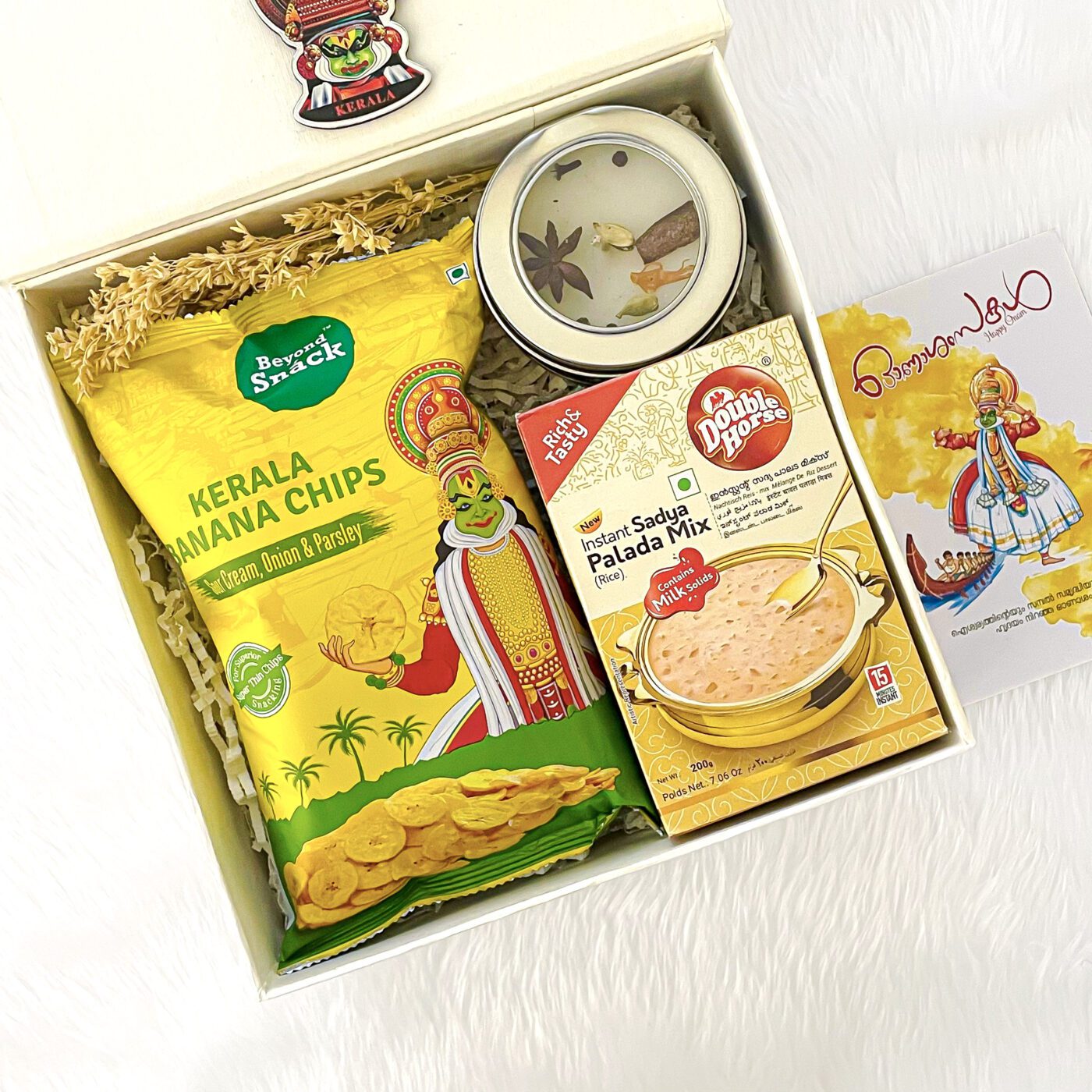
Why Packaging Matters to the Planet and Your Brand
The Environmental Cost of Conventional Packaging
Think of the average gift hamper as a tiny ecosystem. Traditional packaging often relies on virgin plastics, single‑use kraft, and glossy inks that can take centuries to decompose. Every year, over 300 million tons of packaging waste find their way into landfills and oceans. That’s not just a statistic—it’s a reminder that every choice counts.
Brand Image and Consumer Trust
Today’s consumers are more informed than ever. They read labels, research brands, and expect transparency. A well‑chosen sustainable packaging solution can turn a simple purchase into a story of responsibility. Conversely, a flimsy, non‑recyclable wrapper can erode trust faster than a bad customer service call.
> “People will forget what you said, but they’ll never forget how you made them feel.” – Maya Angelou
Key Principles of Sustainable Hamper Packaging
Biodegradability and Compostability
If you want the packaging to disappear without a trace, look for materials that break down naturally. Compostable paper, plant‑based films, and biodegradable foams are all good options. Just remember that compostability depends on the environment—industrial composting facilities are still a long way from every corner of the globe.
Recycled and Recyclable Materials
Recycled content reduces the need for virgin resources. Materials that are 100 % recyclable, such as certain types of paperboard or PET, close the loop. Encourage your customers to recycle by including clear, easy‑to‑read instructions.
Minimalist Design and Eco‑Friendly Finishes
Less is more. A minimalist design not only reduces material usage but also gives your hamper a clean, premium look. Use eco‑friendly inks—soy, vegetable, or water‑based—to keep the environmental impact low.
Top Eco‑Friendly Materials for Gift Hamper Packaging
Paper‑Based Options
- Kraft paper – strong, biodegradable, and perfect for rustic or artisanal hampers. Recycled paperboard – offers a sturdy feel while reducing landfill weight. Plant‑based paper – made from bamboo, hemp, or sugarcane bagasse for a unique texture.
Plant‑Based Plastics
These are derived from corn starch, sugarcane, or algae. They are compostable in industrial settings and offer the flexibility of traditional plastics without the fossil‑fuel baggage.
Natural Fibers
- Jute twine – great for tying the hamper together, adding a natural touch. Coconut fiber – strong, biodegradable, and adds a subtle tropical scent.
Reusable Containers
- Wooden crates – can be repurposed as storage or décor. Glass jars – perfect for edible hampers, reusable, and recyclable.
Practical Tips for Selecting the Right Materials
Assessing the Product and Target Audience
Ask yourself: What will the hamper contain? If it’s delicate, you’ll need cushioning. If it’s food‑grade, the material must be food‑safe. Knowing your audience’s preferences—whether they favor minimalism or luxury—helps guide material choice.
Balancing Cost, Durability, and Sustainability
Eco‑friendly doesn’t always mean expensive. Often, the initial cost is offset by lower shipping weights and the marketing advantage of green branding. Create a cost‑benefit matrix to compare options.

Supplier Transparency and Certifications
Look for suppliers who provide third‑party certifications—ISO 14001, FSC, or Cradle to Cradle. Ask for product data sheets and ask if they can share their own sustainability hampers for couples metrics.
Case Study: A Small Brand’s Journey to Green Packaging
When “Bloom & Bounty,” a boutique organic tea company, decided to rebrand its gift hampers, the CEO, Maya, faced a dilemma: how to keep the aesthetic charm while slashing environmental impact. After a brainstorming session that involved a hamster named Sir Whiskers (yes, a hamster), the team chose a recycled kraft paper base, jute twine, and a small reusable glass jar for the tea samples. The result? A 15 % reduction in packaging weight and a 30 % increase in customer satisfaction scores. Maya’s anecdote about the hamster—who insisted on a “hamster-friendly” design—reminds us that creativity often comes from the most unexpected sources.
Rhetorical Question
Can a hamster really influence packaging design? Apparently, yes—if you’re willing to listen to the little things.
Common Pitfalls and How to Avoid Them
Over‑Packaging and Excessive Prints
More isn’t always better. A single layer of kraft paper with a simple logo can be more impactful than a multi‑layered, brightly printed wrapper that ends up in gourmet food hampers a landfill.
Ignoring Local Recycling Rules
Different regions have varying recycling capabilities. A material that’s recyclable in California might not be accepted in a small town in Nebraska. Check local guidelines before finalizing your design.
The Bottom Line: Making Your Selection Count
Choosing the right gift hamper packaging materials for eco‑conscious brands is a blend of science, art, and a dash of humor. It’s about understanding the lifecycle of every material, aligning it with your brand story, and ensuring that the final product feels as good as it looks. Remember, the best packaging doesn’t just hold the gift—it carries your brand’s promise to the planet.
If you’re ready to upgrade your hamper’s packaging, start by auditing your current materials, researching eco‑friendly alternatives, and reaching out to suppliers who share your sustainability goals. The next time your customer unwraps a hamper, let the packaging whisper, “We care about you and the Earth.”