Chocolate hampers are more than pretty boxes—they’re edible stories that unfold with every bite. When you know what’s inside, you can match the right story to the right customer, avoid surprise allergies, and turn a simple gift into a memorable experience. This article walks you through the essential components of a chocolate hamper, demystifies label language, and offers practical tips for sharing that knowledge with confidence (and a dash of humor).

Why Knowing What’s Inside Matters
Ever handed a client a hamper only to discover they’re allergic to hazelnuts? A moment of embarrassment can turn a sweet gesture sour. By educating customers on chocolate hamper ingredients, you protect your brand’s reputation and empower shoppers to make informed choices. Plus, knowledgeable buyers tend to spend more because they understand the value of premium components.
Core Ingredients in a Classic Chocolate Hamper
Cocoa and Its Variants
Cocoa is the heart‑beat of any chocolate. From dark (70% + cacao) to milk (usually 30‑40% cacao) and even white (cocoa butter without the solids), each variant delivers a distinct flavor profile. Dark chocolate brings a bold, slightly bitter edge—perfect for sophisticated palates—while milk chocolate offers a creamier, sweeter experience.
Sweeteners and Their Roles
Sugar is the classic sweetener, but modern hampers often feature alternatives like stevia, coconut sugar, or honey. These choices affect not only taste but also texture and shelf life. For example, honey can add a subtle floral note, whereas coconut sugar imparts a caramel‑like depth without overwhelming the cocoa.
Add‑Ins That Make the Difference
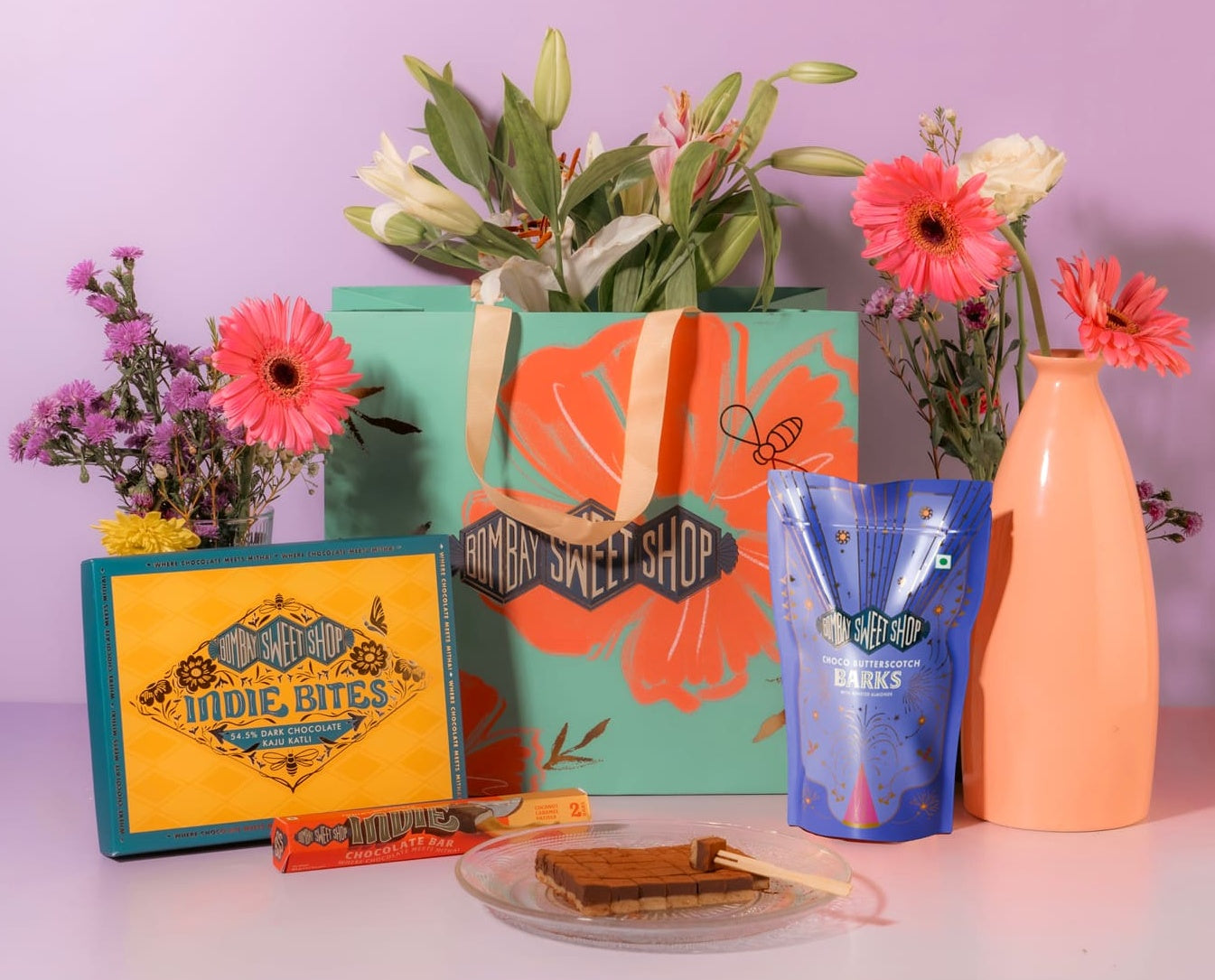
A handful of sea salt, a sprinkle of espresso powder, or a swirl of Gift delivery service caramel can transform ordinary chocolate into a conversation starter. These flavor enhancers are typically listed as “ingredients” but play a starring role in the overall sensory experience.
Specialty Ingredients That Elevate the Experience
Nuts, Dried Fruit, and Crunch
Almonds, pistachios, and toasted hazelnuts contribute crunch and a buttery richness that pairs beautifully with chocolate. Dried fruits—such as cranberries, apricots, or cherries—introduce a burst of natural sweetness and a chewy contrast. When selecting a hamper for a health‑conscious audience, note that nuts also add protein and healthy fats, making the treat feel a bit more “nutrient‑rich.”
Spirits, Liqueurs, and Flavor Boosters
A splash of rum, whiskey, or orange liqueur can deepen flavor complexity, especially in truffles or ganache‑filled pieces. These alcohol‑infused chocolates often carry a “contains alcohol” disclaimer, which is crucial for customers who avoid spirits for personal or religious reasons.
Reading Labels Like a Pro
Understanding the ingredient list is a skill worth mastering. Here’s a quick cheat‑sheet for your customers:
- Order matters – The first three ingredients usually make up the bulk of the product. Allergen alerts – Look for bolded terms like “contains nuts” or “may contain gluten.” Additive abbreviations – E‑numbers (e.g., E322 = lecithin) are emulsifiers that keep chocolate smooth. Shelf‑life clues – Ingredients like vegetable oil may indicate a longer shelf life but can affect flavor purity.
Common Misconceptions and How to Debunk Them
Many shoppers assume that “dark chocolate = healthier” and “more cocoa = better taste.” While dark chocolate does contain more antioxidants, it can also be bitter enough to turn a palate away. Likewise, a high cocoa percentage doesn’t guarantee superior flavor; the quality of the beans and the conching process are equally important.
Another myth: Under $50 gifts “All chocolate is gluten‑free.” In reality, some fillings—especially those with wafer or biscuit layers—may contain hidden gluten. Clarifying these points builds trust and reduces the risk of an unwanted return.
A Quick Anecdote: The Great Nut‑Free Mix‑Up
Last winter, a boutique gift shop prepared a “nut‑free” hamper for a corporate client. The box looked perfect—silky dark truffles, caramel ribbons, and a glossy chocolate bar. The client opened it, smiled, and then asked, “Where are the nuts?” The shop owner realized the label on the caramel ribbon listed “almond extract” in the fine print. A quick phone call, a replacement batch, and a heartfelt apology later, the client not only kept the order but also sent a thank‑you note praising the transparent communication. As the chocolatier in the story later said, “A single ingredient can make or break the whole experience.”
Putting It All Together: Choosing the Right Hamper for Your Audience
When you’re ready to recommend a hamper, consider these three questions:
Who is the recipient?- Business executives may appreciate elegant dark chocolate with subtle sea‑salt notes. Families with children often enjoy milk chocolate mixed with colorful candy pieces.
- Offer a vegan or gluten‑free option, clearly marked on the packaging.
- For celebrations, look for festive additions like champagne‑infused truffles or gold‑leaf decorations.
By aligning the ingredient profile with the buyer’s needs, you turn a simple purchase into a tailored experience.
The Perfect Gift Awaits
Armed with a deeper understanding of chocolate hamper ingredients, you can guide customers confidently, answer their “What’s inside?” questions, and avoid the pitfalls of hidden allergens. Remember, a well‑informed shopper is a happy shopper—one who’s likely to return for the next holiday season or corporate event.
If you’re ready to elevate your product knowledge, start by sharing a brief “Ingredient Spotlight” card with each hamper. A single sentence—such as “Our dark truffles contain 72% cocoa and a whisper of sea‑salt for a sophisticated finish”—can make a world of difference.
So, the next time you hand over a beautifully wrapped box, you’ll know exactly what stories each piece tells, and your customers will taste the confidence behind every bite.
*Ready to impress your clients with the right chocolate hamper? Explore our curated selection today and let the flavors do the talking.*